Which T‑shirt and which technique?
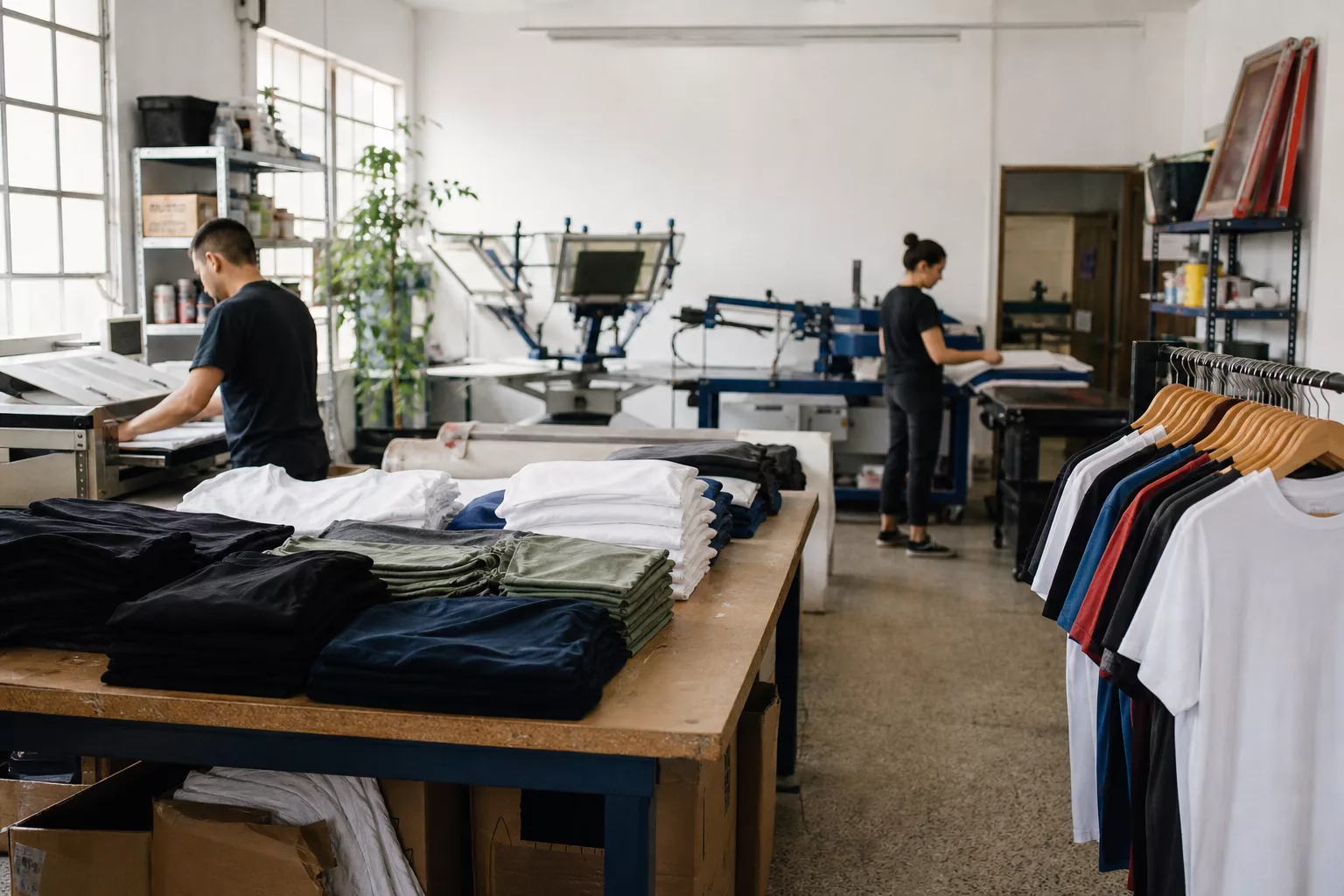
The choice depends on the desired look, the quantity and the fabric. We print from 1 piece on a wide range of textiles; some models have a minimum indicated on their product page.
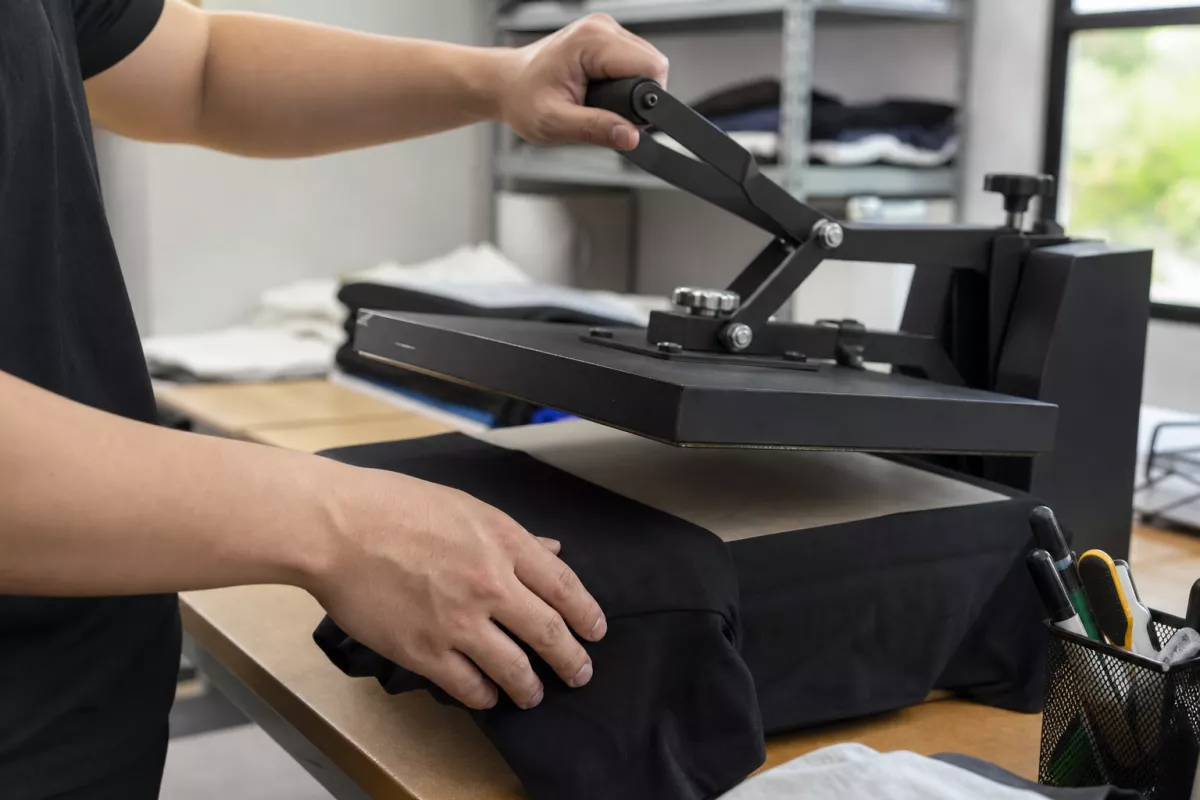
Common techniques
- DTF — great for small runs and fast turnaround
- Screen printing — cost-effective for large volumes
- Flex — simple lettering, reliable
- Embroidery — texture and durability for polos and hoodies
- Screen-print transfer — good for simple logos; multicolour for complex designs
Order process
- 1Send your fileWe check and prepare your logo for print.
- 2Quick quoteFree quote within 24 hours on weekdays.
- 3ProductionStandard or express production options.
- 4Pickup or deliveryCollect in Evere or delivery BE/FR/LU.
Quick comparison table
| Technique | Finish | Best for |
|---|---|---|
| DTF | Vibrant colours, photo | From 1 piece, express |
| Screen printing | Flat colours, durable | Large batches |
| Embroidery | Textured, premium | Often from 1 piece |
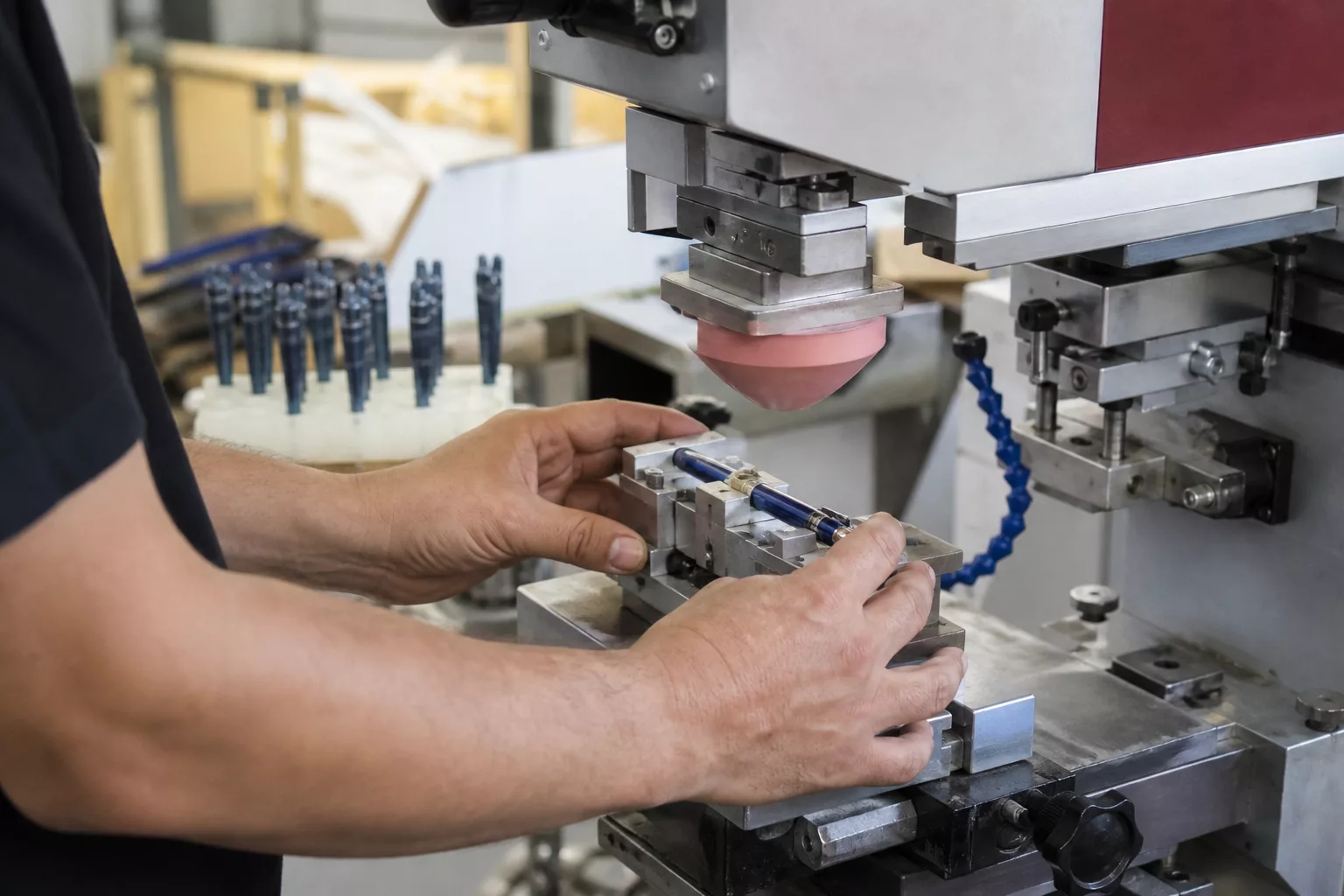
- Film printing The printer lays down the colours and then a layer of white on a transparent film.
- Adhesive powder A heat-reactive powder is sprinkled onto the still-wet ink.
- Curing The film passes through an oven: the powder melts and forms the adhesive layer.
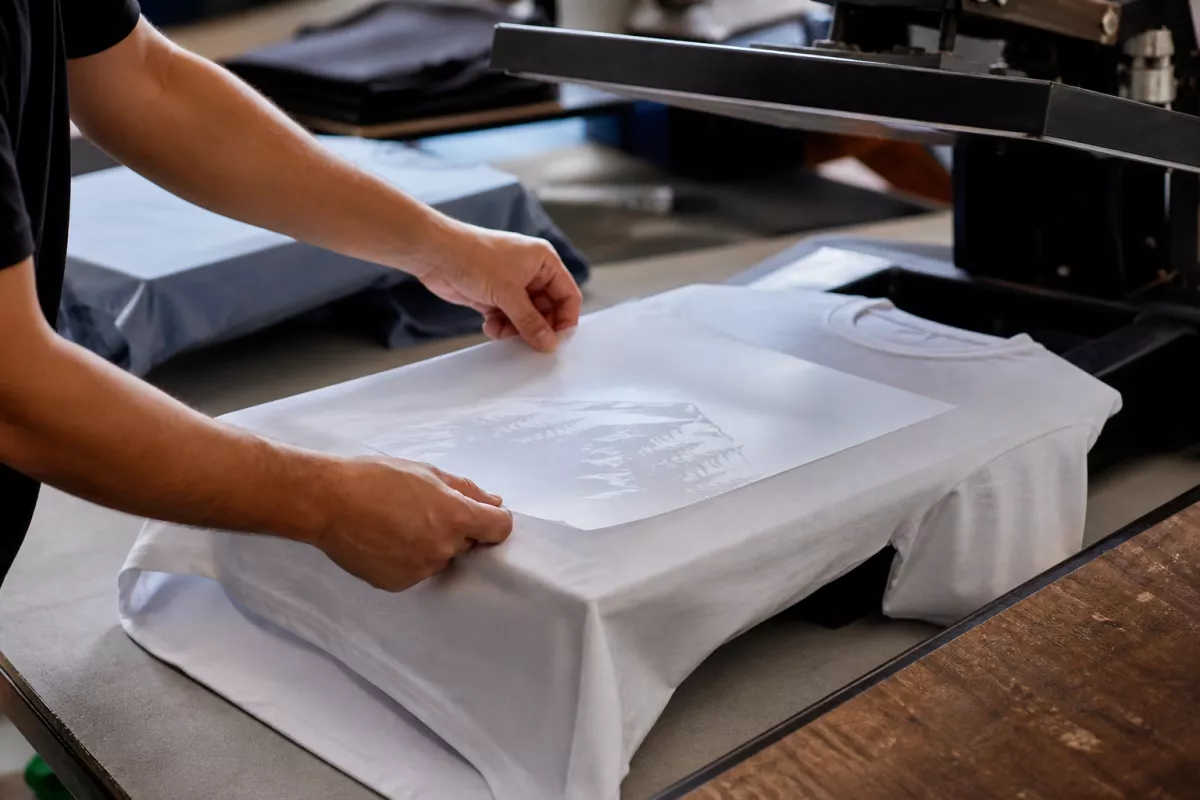
- Heat press The transfer is hot-pressed onto the garment, then the film is removed.
Preparing your file
File preparation often makes the difference. We frequently see characters or lines thinner than 1 mm — they disappear in print or cut.
“I set the correct printing temperature depending on the chosen printing method for the T-shirt”
Practical tips:
- Convert text to outlines/vectors.
- Use separate color layers for screen printing.
- Check line widths (≥1 mm recommended for fine details).
- Send high-resolution files in CMYK if possible.
In pictures: DTF printing
 Example of branding
Business trolleySee the product
“Example of marking”: demonstration photo supplied by the product manufacturer, with a fictitious logo.
Temperature and pressing — crucial step
Temperature and press time vary by technique and fabric. At our workshop we always check and set the right temperature before any important print.
“Most prints are done at 150° but some must be printed at 180°. (Screen-print transfer washable at 60°). Other prints withstand washes at 30–40°.”
In practice, for a transfer that must survive 60° washing we increase temperature and control press time. Conversely, DTF often uses lower temperatures and is ideal for quick orders.
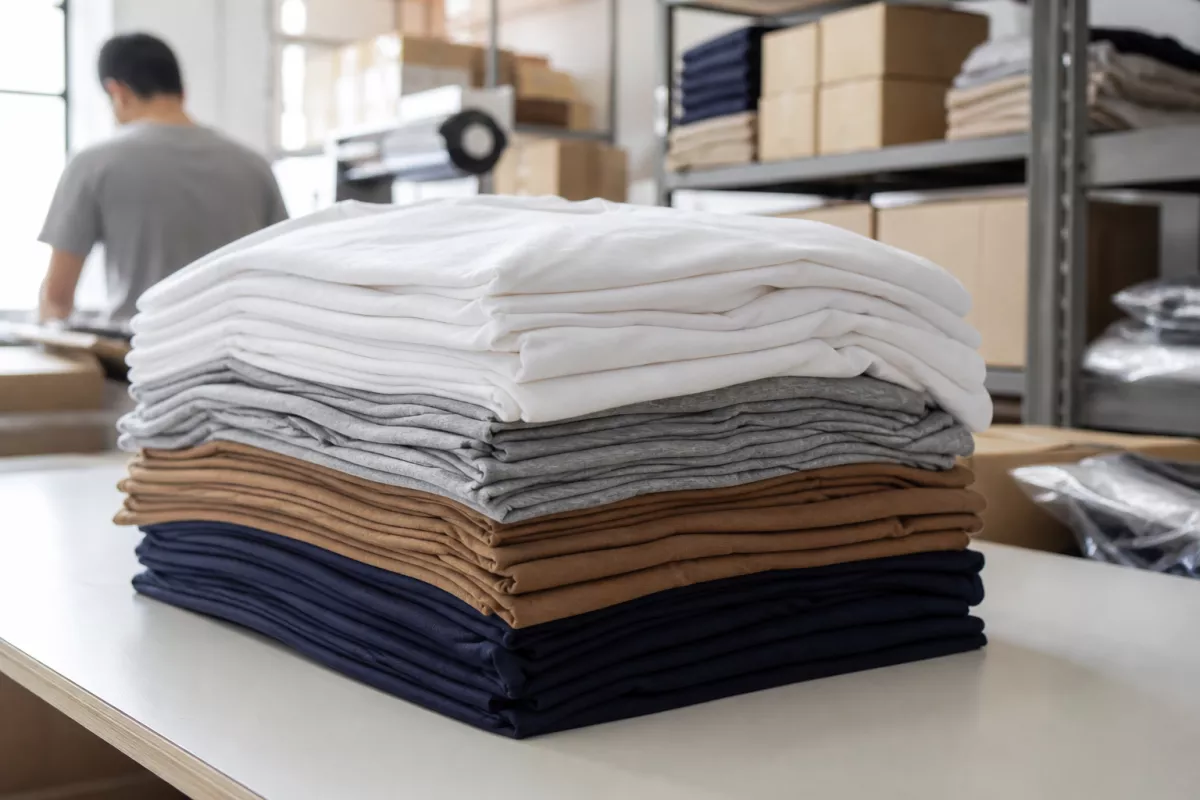
Sustainable textiles
We offer organic cotton and recycled polyester. We sometimes advise against recycled polyester for transfers — the result can be suboptimal. Choose the technique suited to the fabric.
Deadlines and rush orders
Standard production is 10 working days. For urgent needs we offer 24 h express on stocked items and fast DTF solutions.
DTF is our go-to for rush jobs: 24–48h possible. We once completed a 24h job: the client ordered before 11am Thursday for delivery Friday midday. We placed an express textile order with our supplier for next-day delivery and printed in-house to apply immediately on receipt.
Key points
- Line thicknessAvoid lines < 1 mm for readability.
- TemperatureAdjust pressing temperature per technique.
- Fabric choiceChoose cotton or recycled polyester per method.
Care advice per technique
- High‑temperature transfers: washable at 60° if pressed correctly.
- DTF and flex: wash at 30–40° for longevity.
- Embroidery: wash inside out and avoid high‑heat tumble drying.
What our customers say on Google
4,488 Google reviews
Most relevant reviews according to Google. Reviews are not verified by Google.Google Maps
Ready to order?
If you have a file, contact us via our contact page. To compare techniques and find textiles see Compare techniques and our textile catalogue. For embroidered shirts: Shirt embroidery.